Loyalty
I can’t fault MAGA folks who have yet to have the experience of actually working with Trump. They are Loyal, and he values that. However, there is a big difference between those who give their loyalty freely and those from whom Trump demands “Loyalty” with pledges, non-compete clauses, and god knows what other lockins.
Like Trust, Loyalty can be freely given but demanded. Loyalty is a valuable trait that speaks to a person’s character and integrity. When someone is loyal, they stand by their commitments, support those they care about, and remain true to their principles even in the face of challenges. This type of freely given loyalty is admirable.

However, there is a difference between loyalty earned and freely given versus loyalty demanded or coerced. When someone in a position of power, like a political leader or employer, requires pledges of loyalty, makes people sign restrictive agreements, or creates an environment where dissent is not tolerated, it raises concerns. That demanded “loyalty” type is more about control and self-interest than genuine allegiance.
Real loyalty has to be earned through trust, respect, and consistently acting with integrity. It’s a two-way street. If a leader wants the genuine loyalty of their followers, they need to demonstrate that they have their followers’ best interests at heart. They need to listen to differing opinions, be open to constructive criticism, and create an inclusive environment where people feel valued. Too often, people seeking positions of leadership are really seeking positions of power and using fear to drive people to their side.
Understandably, MAGA supporters who haven’t worked directly with Trump would admire his rhetoric about loyalty or be persuaded by his attempts to instill fear. But it’s important to look at his actions and see if they align with the principles of true, freely given loyalty. Does he stand by his allies or cast them aside when it’s expedient? Does he create an environment of trust and openness, demand fealty, and punish dissent? The answers to those questions say a lot about the sincerity behind calls for loyalty. Many of us who grew up in the NY metro area have heard stories about how the trump organization screwed over workers and contractors. So many who have worked side-by-side with the Trump presidency have written books that cast him in a negative light.
In any leader-follower relationship, whether political or otherwise, loyalty should be earned, not commanded. Followers should feel inspired to be loyal based on a leader’s character and actions, not intimidated into obedience. That is the key difference between authentic loyalty and the coerced variety.
While loyalty is a positive trait, it should never come at the expense of one’s principles, ethics, or rational judgment. Blind loyalty — following a leader unquestioningly without examining their actions or positions — can be dangerous. Even when we admire and respect a leader, it’s crucial to engage our critical thinking skills and not let emotion cloud our assessment of their behavior.
Leaders are human and fallible. They can make mistakes, have lapses in judgment, or let self-interest influence their decisions. Truly effective leaders welcome questioning and debate from their followers, as it helps them consider diverse perspectives and strengthens decision-making. If a leader demands unquestioning loyalty and discourages or punishes dissent, that’s a red flag: run away, run away!
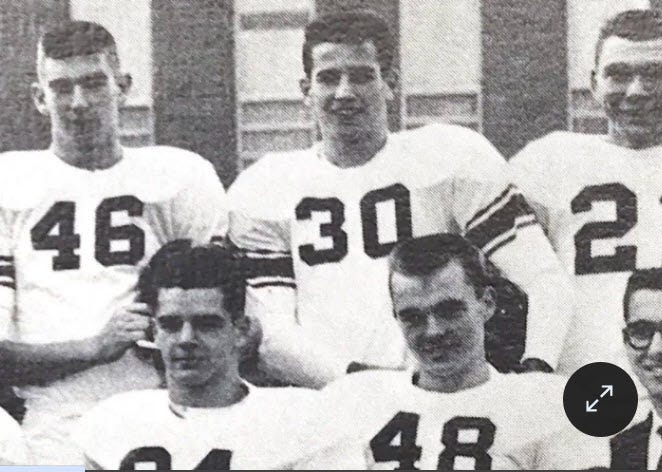
We often learn loyalty by cheering on our high school football team. Loyalty to governmental leadership is a whole different thing. It’s not like being faithful to a sports team, and the stakes are much, much higher.
As followers, we have a responsibility to think independently, mostly to ourselves but also to our community, even as we maintain loyalty to a leader or cause we believe in. That means gathering information from diverse sources, fact-checking claims, considering alternate viewpoints, and reaching conclusions based on evidence and reason. It means respectfully voicing concerns if we believe a leader is making unethical or misguided decisions.
Loyalty, combined with critical thinking, creates an environment of accountability. It tells a leader that they have to consistently earn the allegiance of their followers through integrity and results. Blind loyalty based on emotion alone breeds an unbalanced power dynamic ripe for corruption and abuse of power.
Certainly, there are times when loyalty compels us to stand by a leader even if a decision is unpopular or we don’t fully agree with it. But those should be carefully considered exceptions, not the norm. A genuine leader doesn’t just want loyal followers but thoughtful ones who can help check their worst impulses and balance emotion with reason.
So, when reflecting on loyalty, it’s important to recognize that true loyalty isn’t blind or unquestioning. We can be loyal to a leader while still thinking critically and independently. In fact, one could argue that this type of “loyal opposition”-having the courage to question and dissent in a principled way-is the deepest form of loyalty. It shows that we care enough about the leader and the cause to speak up when we think things are going astray.
Question Everything!
Originally published at http://www.brianconnelly.com.