The art of the Relationship
(or, How to Build a Casino and Still Go Bankrupt)
Donald Trump makes one blundering assumption in “The Art of the Deal” … that deal-making is fundamentally about transactions rather than relationships. This mindset, while potentially effective for short-term gains and excellent fodder for reality TV, overlooks the enduring value of human connection. It’s the business equivalent of swiping right on everyone and expecting meaningful relationships to follow. Spoiler alert: They don’t, and neither do sustainable businesses.
I make some alternative assumptions about deal-making in our modern world, where billions of humans live in closer cognitive proximity due to faster global communication: relationships outweigh transactions concerning their importance when deal-making. In the immortal words that Trump would never understand: it’s not about the size of your tower, it’s about who actually wants to visit more than once.
Our Shrinking World
Fifteen years ago, while not impossible, it was uncommon for a person on the street to strike up a conversation with another person on the other side of the world they had never met before. Smartphones and social media have fundamentally changed that reality. Multiplayer gaming brings strangers together with a common purpose; conversations naturally emerge from those engagements, often leading to lasting relationships that transcend the initial shared activity.
Communication has shrunk our world, whether through gaming, social media, or person-to-person video calls over the Internet. The psychological distance between individuals has collapsed alongside physical barriers, creating new forms of trust and connection that weren’t possible in previous eras.
The Evolution of Trust: Bitcoin’s Relationship-Based Revolution
In the past, a transaction happened, and the settlement was passed off to any number of intermediaries that would slice a bit off for their effort. Trust was relegated to someone else who was not one of the parties making the deal. Lawyers, bankers, and hidden intermediaries would take days to culminate a transaction, each adding friction to the process.
Today, transactions and settlements happen at the speed of light using various blockchain technologies. Yet this technological revolution hasn’t eliminated the need for trust, it has transformed where that trust resides. Trust no longer primarily rests in the settlement layer but in the deal layer between individuals directly involved in the transaction.

While subtle and nuanced, this change is significant. The 2008 banking crisis demonstrated that trust cannot be safely institutionalized. A note on the first transaction on the Bitcoin blockchain refers to this failure, and numerous stable coin systems servicing the money needs of billions around the globe have grown out of the Bitcoin system, reflecting our collective desire for more direct, trusted connections.
Bitcoin: The Ultimate Relationship-Based Deal
The most profound example of relationship-based deal-making in modern times occurred around the development of the rules governing the Bitcoin blockchain. These weren’t crafted in boardrooms by executives seeking to maximize quarterly profits. Instead, they emerged from a community bound by shared values and vision.
The Bitcoin consensus rules evolved gradually through prolonged dialogue, debate, and collaboration among developers, miners, and users, people who often never met face-to-face but built relationships around shared principles of decentralization, censorship resistance, and sound money. These relationships weren’t transactional; they were transformational.
What makes this example so powerful is that by prioritizing the relationship aspects-trust, consensus-building, and shared governance-over immediate transactional gains, the Bitcoin community created a system that has facilitated the transfer of trillions in value and sparked an entire industry. The wealth generated wasn’t the goal of the relationships; it was the byproduct of getting the relationships right.
When Satoshi Nakamoto and early Bitcoin developers established these protocols, they weren’t executing “the art of the deal”; they were practicing “the art of the relationship” at a scale with implications few could have imagined. The trust embedded in code became possible only because of the trust developed between people committed to a shared vision.
The Spectrum of Human Transactions
Of the trillions of transactions that occur worldwide daily, many do not involve money at all. When someone holds the door open for another person, that simple gesture represents a micro-transaction of goodwill. going up a level, the exchange of goods and services might involve money, but formal contracts are often unnecessary when relationship-based trust exists.
Contracts predominantly address settlement details for transactions; mortgage or rental agreements being typical examples. But they represent only a fraction of the deals we make daily and often signal a lack of relational trust that must be compensated for with legal formalities.
The Currency of Relationships
In the relationship-centered paradigm I’m proposing, the currency isn’t dollars or bitcoin-it’s reciprocity, reputation, and shared values. These relational assets appreciate over time, unlike purely transactional exchanges that end when money changes hands.
When business leaders focus on building genuine relationships rather than optimizing individual deals, they create networks of trust that:
- Reduce transaction costs through mutual understanding
- Open doors to opportunities that money alone cannot buy
- Create resilience during economic downturns when transactional relationships often falter
- Build reputational capital that compounds with each positive interaction
Michelle Obama’s “Becoming”: Relationship-Centered Leadership
Michelle Obama’s memoir Becoming provides a compelling contrast to Trump’s transactional worldview. Though not a business manual, her approach to leadership and community building exemplifies the relationship-centered paradigm I’m advocating.
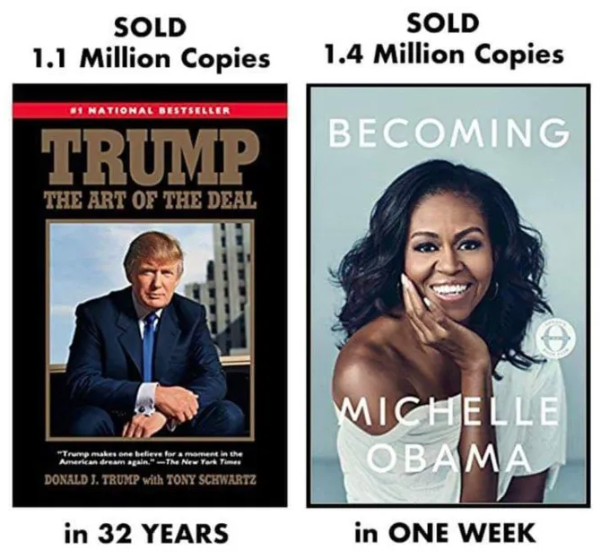
Throughout “Becoming,” Obama emphasizes how authentic connections formed the foundation of her success and impact. From her early career as a lawyer to her initiatives as First Lady, she consistently prioritized understanding people’s needs and circumstances before attempting to influence or change them. Her public health campaign “Let’s Move!” succeeded not through executive mandate but by building coalitions with schools, food companies, and community organizations based on shared values and mutual respect.
Obama’s description of her leadership philosophy reveals a fundamental truth about relationship-centered approaches: they require vulnerability and authenticity that transactional deal-making often eschews. When she writes about “going high when they go low,” she’s not just offering a political strategy but a relationship philosophy-one that values long-term connection over short-term advantage.
Her approach to mentorship also stands in stark contrast to the win-lose paradigm often glorified in business literature. Throughout “Becoming,” Obama describes investing in young people without immediate expectation of return, understanding that relationship capital grows through generous, patient cultivation rather than strategic extraction.
The success of her initiatives demonstrates that relationship-centered approaches can achieve substantial real-world outcomes, often reaching places that purely transactional approaches cannot penetrate because they build bridges across traditional divides of politics, class, and culture.
Long-Term vs. Short-Term Thinking
(or, Why Trump Steaks Aren’t on Your Dinner Table)
Trump’s deal-making philosophy often emphasizes the “win” of the immediate transaction. This approach might yield short-term gains but can damage long-term prospects faster than you can say “Trump University settlement.” It’s business as performance art-all spectacle, no substance. The Trump brand playbook: slap your name on something, extract maximum value, then parachute out before the structure collapses. Rinse, repeat, bankruptcy.
Relationship-based deal-making takes a longer view, sometimes accepting suboptimal immediate outcomes to build lasting partnerships. Crazy concept: maybe don’t screw over everyone you work with? Revolutionary, I know.
The global business landscape is littered with the consequences of transaction-first thinking: bitter lawsuits, damaged reputations, and bridges so thoroughly burned they’re visible from space. If Trump’s business career were a relationship, it would be that ex everyone warns you about at parties. Meanwhile, relationship-focused enterprises build ecosystems of mutual benefit that endure through market fluctuations with the staying power of a tech billionaire’s marriage to their third spouse-which is to say, surprisingly resilient when built on actual shared value.
Building Relationship Capital
How do we build relationship capital in our increasingly digital world? The fundamentals remain surprisingly human:
- Prioritize understanding over persuasion
- Deliver value before extracting it
- Communicate transparently, especially during difficulties
- Remember personal details that matter to others
- Celebrate others’ successes without immediate expectation of return
- Take responsibility when things go wrong
The irony is that by focusing less on the “deal” and more on the relationship, we often secure better deals in the long run.
Conclusion: Relationships > Transactions
(Sorry, Not Sorry, Donald)
As our world continues to shrink through technological advancement, the primacy of relationships over transactions will only grow more evident. The true art is not in closing a single deal but in creating a web of meaningful connections that generate ongoing opportunities for mutual benefit. Shocking revelation: People prefer doing business with people they don’t actively despise.
The most valuable companies today aren’t built on zero-sum transactions where someone gets screwed they’re platform businesses that facilitate relationships and connections. Facebook, Amazon, Apple: transaction machines? No. Relationship engines wearing a trench coat of capitalism.
Perhaps it’s time to shelve “The Art of the Deal” alongside other ’80s relics like shoulder pads and trickle-down economics and embrace “The Art of the Relationship” as our guiding philosophy for business and life in the interconnected 21st century.
Here’s the reality check: in a world where information flows at the speed of light and reputation can be destroyed in 280 characters, the transactional bros are the new dinosaurs. They just haven’t noticed the meteor.
So what’s it going to be? Build a relationship empire that endures or a transaction castle destined for Chapter 11? Your call. But remember, even casinos go bankrupt when no one wants to play with the house anymore.
Originally published at https://brianpconnelly.substack.com/p/the-art-of-the-relationship