The Check Engine Light is On A Field Guide to Systemic Malfunction
When Physics Meets Politics A Survival Guide for the Mathematically Literate
We’re constantly bombarded with headlines: bold new political initiatives, “big, beautiful bills” promising prosperity, or dire warnings of economic turmoil as markets react. These stories capture our attention, but what if they are more than isolated incidents? What if they are recurring symptoms, flashing warning lights from a larger, interconnected system, hinting at deeper truths about resource allocation, sustainability, and societal stability? Let’s use these recurring dramas to refocus our attention on the underlying mechanics of our world, adopting an engineer’s mindset to seek out root causes.
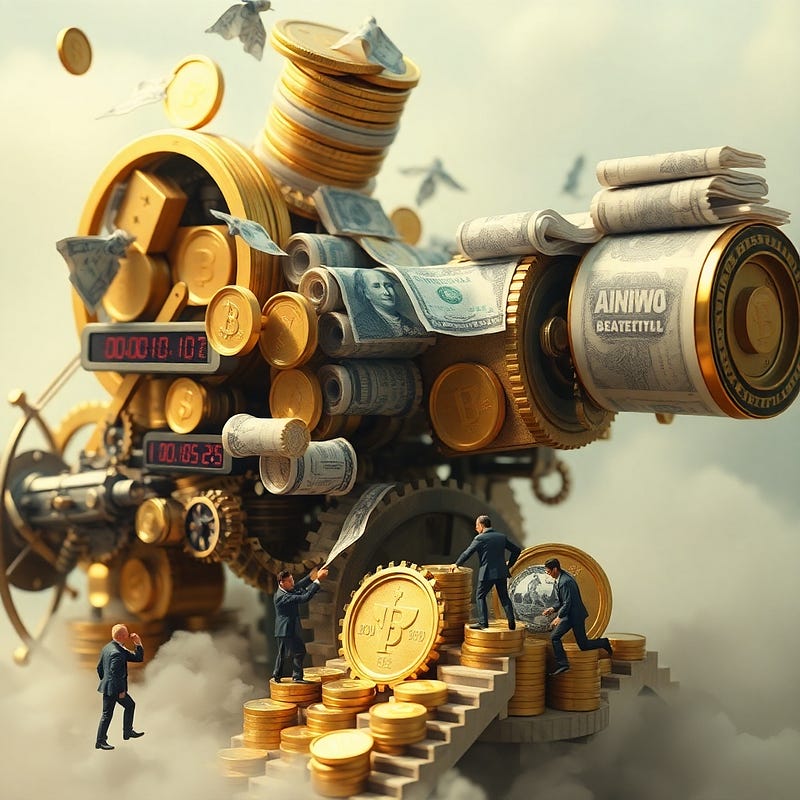
Follow the Money — And the Energy it Reveals
The old investigative adage, “follow the money,” is potent because financial and resource flows expose the real priorities and power structures within any system. When we see articles detailing massive shifts in public spending or new industrial strategies, we should ask:
- Where are the resources (financial, natural, human) truly being directed?
- Who benefits, and whose needs are being deprioritized?
- Does this flow strengthen community resilience and ecological health, or does it concentrate power and exacerbate inequality?
This isn’t merely about political drama. The bond market, for instance, isn’t having an ideological tantrum; it’s doing math. Rising bond yields often signify that energy flows and resource allocation are hitting thermodynamic constraints. The market is essentially saying: “This policy mix doesn’t add up mathematically”. Their reactions, whether seen as rational or panicked, are often signals about the perceived sustainability of proposed economic pathways. Policies that concentrate wealth, cut productive investments, or add costs without value result in less economic energy circulation, more debt, and slower actual growth.
The Unyielding Math and Physics of Our Societies
An engineering perspective compels us to recognize the “math and physics” that govern our socio-economic systems. These systems operate within very real constraints:
- Limits are Fundamental: There are finite planetary resources and thermodynamic limits to energy use and efficiency. Economic models presupposing infinite growth on a finite planet defy fundamental mathematics.
- Complex Interdependencies: Our societies are intricate webs of cause and effect. Significant policy changes will inevitably ripple through the entire system.
- Sustainability is Non-Negotiable: A system that consistently degrades its foundational resources (natural capital, social trust, human well-being) is inherently unsustainable.
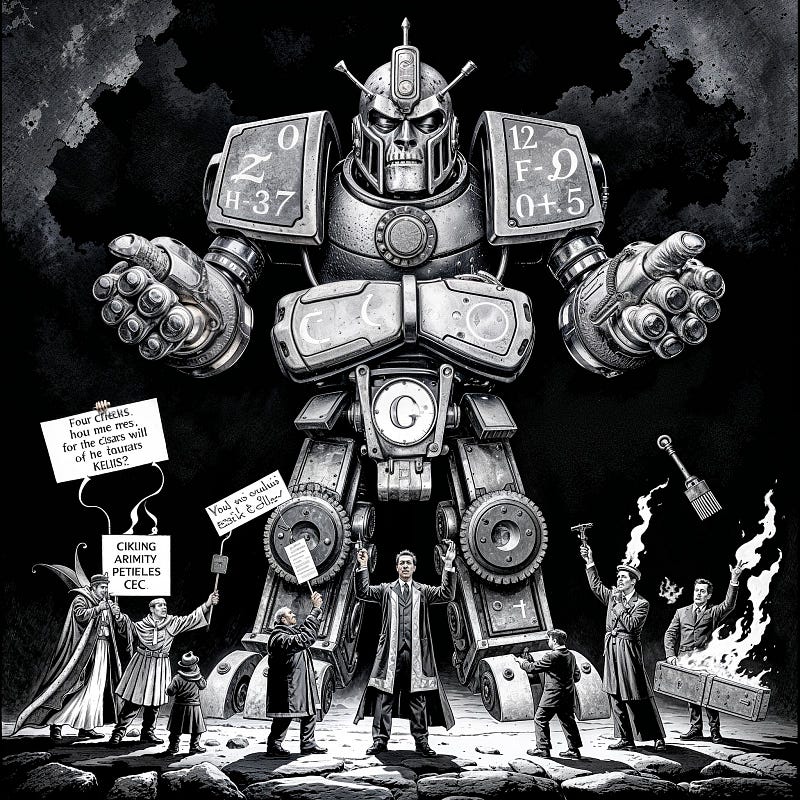
Many “big, beautiful” plans seem to ignore this fundamental math and physics, embodying a hope that defies systemic logic. This is textbook overshoot behavior — ignoring carrying capacity, using complex mechanisms to delay consequences, and doubling down when reality pushes back — a pattern seen in past civilizational collapses. The real issue can be a leadership class that would rather “plunge the world into chaos than face the music” about fundamental resource and energy constraints.
An Engineering Approach to Policy Headlines
When you see stories about massive spending bills creating market turmoil, ask engineering questions:
- Where is the energy actually flowing? (Follow the money through the system)
- What are the physical constraints? (Resource limits, mathematical impossibilities)
- What feedback loops are operating? (Policy changes → market responses → economic effects)
- Where is the system overshooting capacity? (Debt levels, energy consumption, resource depletion) This approach cuts through ideological noise to identify real leverage points.
From Panic to Preparation: Cultivating “Collapse Competence”
Reading collapse into every headline can be paralyzing. The goal isn’t to become a financial doom prophet. It’s to develop “collapse competence” — the ability to function effectively during increasing systemic instability. Headlines about policy failures and market rebellions become less scary when you understand they’re just the latest iteration of physics asserting itself over wishful thinking.
A Framework for Navigating Complexity: Serenity, Courage, and Wisdom
The Serenity Prayer offers a powerful framework:
- Accept the things we cannot change: We cannot alter fundamental laws of thermodynamics, the finite nature of certain resources, global financial system dynamics, or political theater.
- Courage to change the things we can: We can change our understanding, personal resource allocation, and preparation for volatility. We can shift collective priorities and redesign economic and social systems to foster equity, regeneration, and genuine well-being. This demands immense courage.
- Wisdom to know the difference: Wisdom lies in looking past the immediate headline to identify root causes. It means learning to read economic signals as energy flow indicators, understanding why unsustainable policies keep being proposed, and focusing on your actual sphere of influence.
From Headlines to Systemic Insight
The recurring dramas we read about are vital signals from our complex global system, often highlighting the friction between current operating models and underlying realities. Instead of merely reacting with fleeting concern or partisan fervor, let’s cultivate the habit of using them as prompts. Let’s dig deeper, “follow the money” and resource flows, understand the “math and physics” our societies often ignore.
Markets are just doing math. The collapse is just following physics. Our job is to follow both with clear eyes and steady hands. The most subversive thing you can do isn’t panic or denial; it’s learning to think like an engineer while maintaining the serenity to accept forces beyond your control. That’s how you turn headlines into wisdom instead of anxiety and collectively build the wisdom for a future that is resilient, equitable, and truly sustainable.
Ready to develop your collapse competence? Start by asking better questions about the next alarming headline you see.